Maritime transport accounts for around 90% of global freight transport and is responsible for approximately 3% of greenhouse gas emissions. To advance its decarbonisation, 11 entities from six European countries are working on the development of a 5.8 MW hydrogen-fuelled gas turbine for maritime applications. The European project MARPOWER (Efficient zero-emissions gas turbine POWER system for MARitime transport) has received nearly eight million euros from the Horizon Europe programme and is coordinated by LUT University in Finland.
CINTECX – University of Vigo is participating in the project through the Energy Technology Group (GTE), with Jacobo Porteiro as principal investigator. Alongside the consultancy Zabala Innovation, UVigo represents Spain in a consortium that also includes Aurelia Turbines, Alfa Laval, Politecnico di Milano, RINA, the German Aerospace Center, DTU and Chantiers de l’Atlantique.
The objective of MARPOWER is to develop an energy conversion system capable of using various sustainable fuels, including green methane, green methanol, hydrogen and ammonia, with minimal modifications to existing combustion systems. The project began in 2024 and will run until mid-2028.
CINTECX leads the development of the digital twin
Within MARPOWER, the GTE researchers from CINTECX lead Work Package 3 (WP3), which focuses on the construction of the hydrogen turbine’s digital twin. This simulation model will allow the machine’s behaviour to be studied virtually before and during its commissioning.
‘This simulation model allows the machine’s behaviour to be virtually validated before and during its commissioning’, explains David Patiño, Professor of Mechanical Engineering, Machines and Thermal Engines and GTE researcher. The digital twin will allow the study of its operating conditions and will also serve for system evaluation, the development of control strategies and the planning of its operation.
The UVigo researchers have received funding of just over half a million euros for this work. According to Jacobo Porteiro, this activity builds on GTE’s experience in combustion and energy systems modelling and expands their work in the field of hydrogen and alternative fuels towards the development of Digital Twin technologies.
A turbine prepared for different fuels
The technology developed in MARPOWER seeks to offer an alternative for on-board propulsion and power generation that will reduce emissions from maritime transport. The 5.8 MW turbine will be designed to operate with different sustainable fuels, which will allow the system to be adapted to different energy conditions and availabilities.
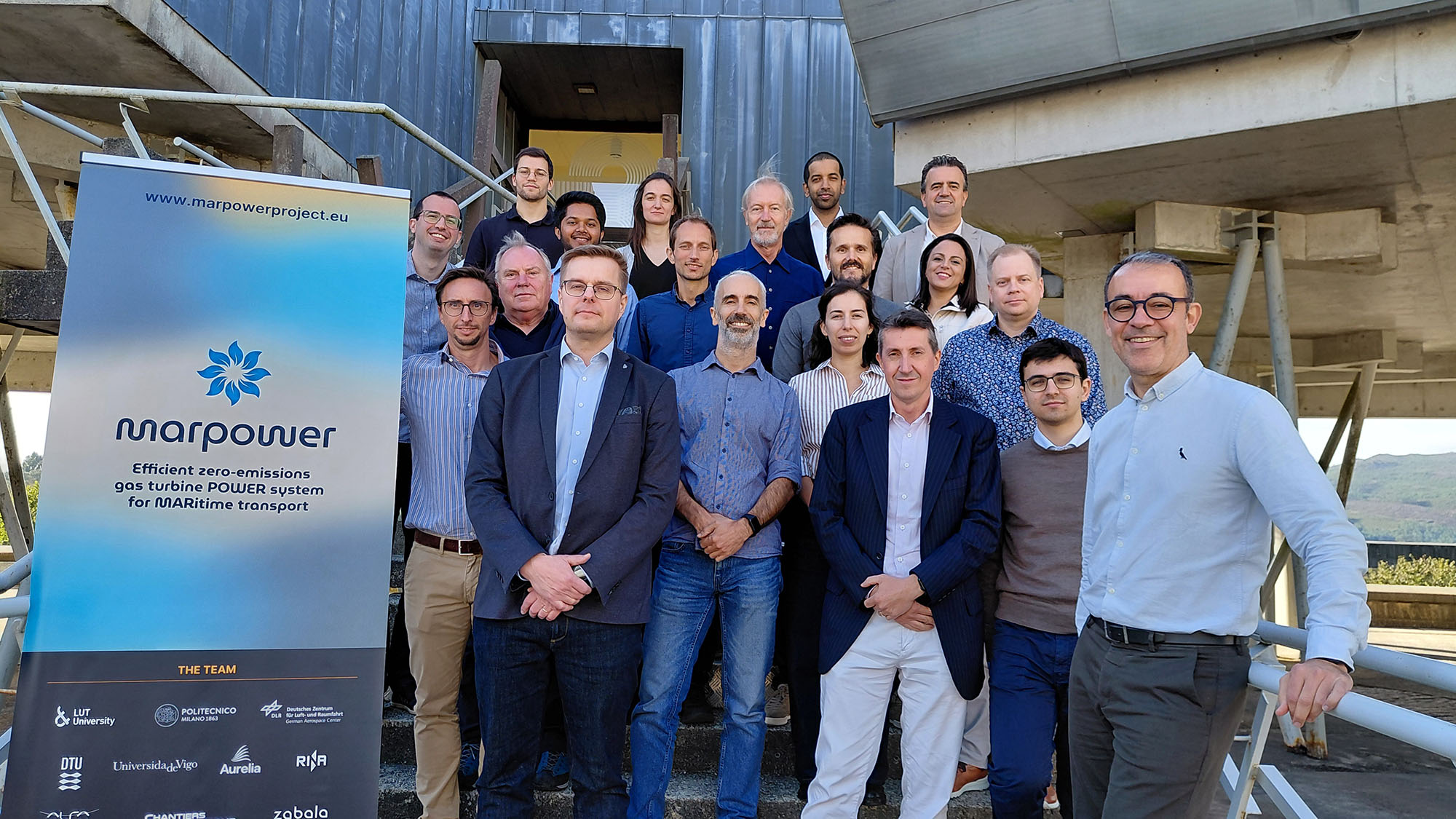
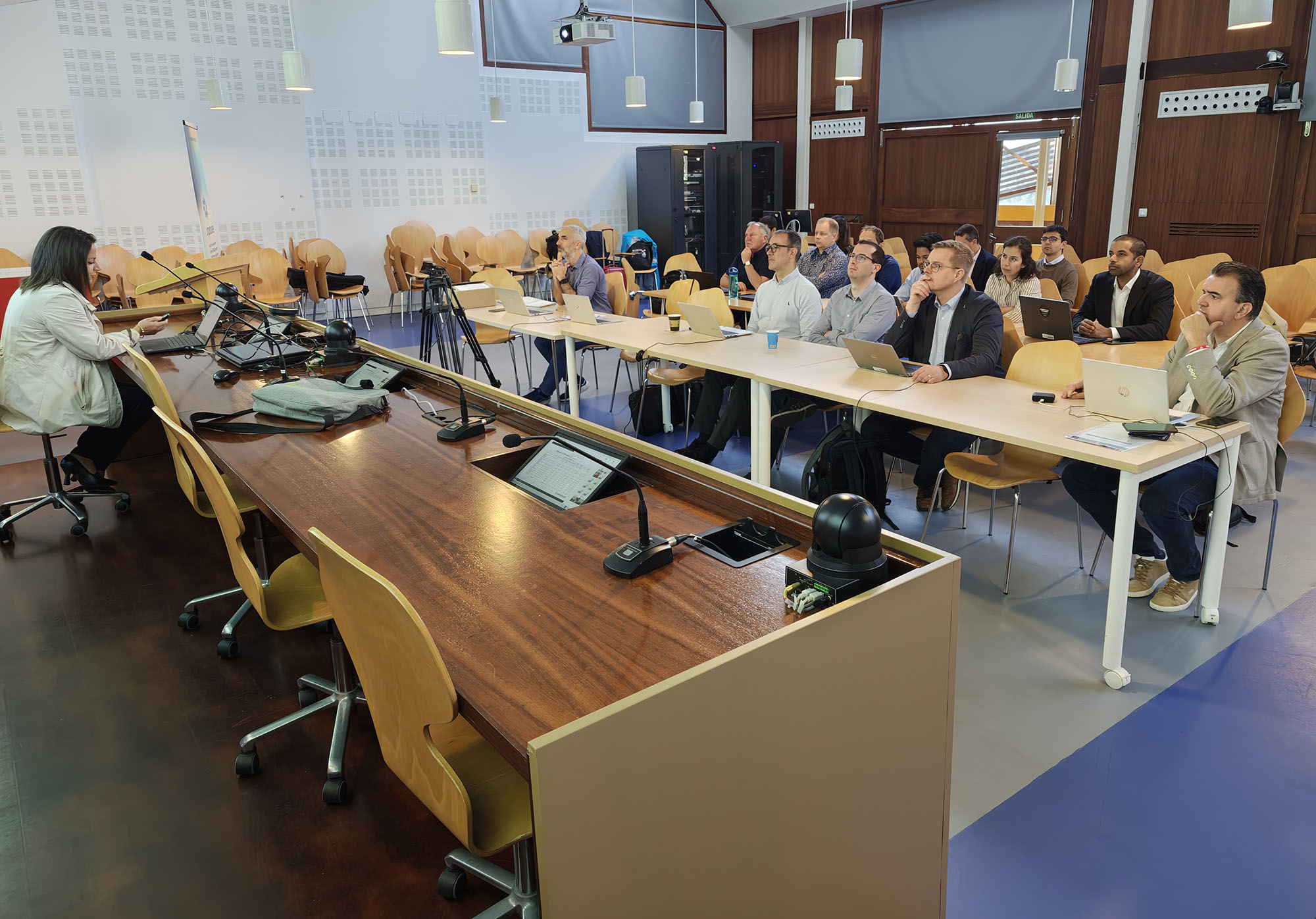
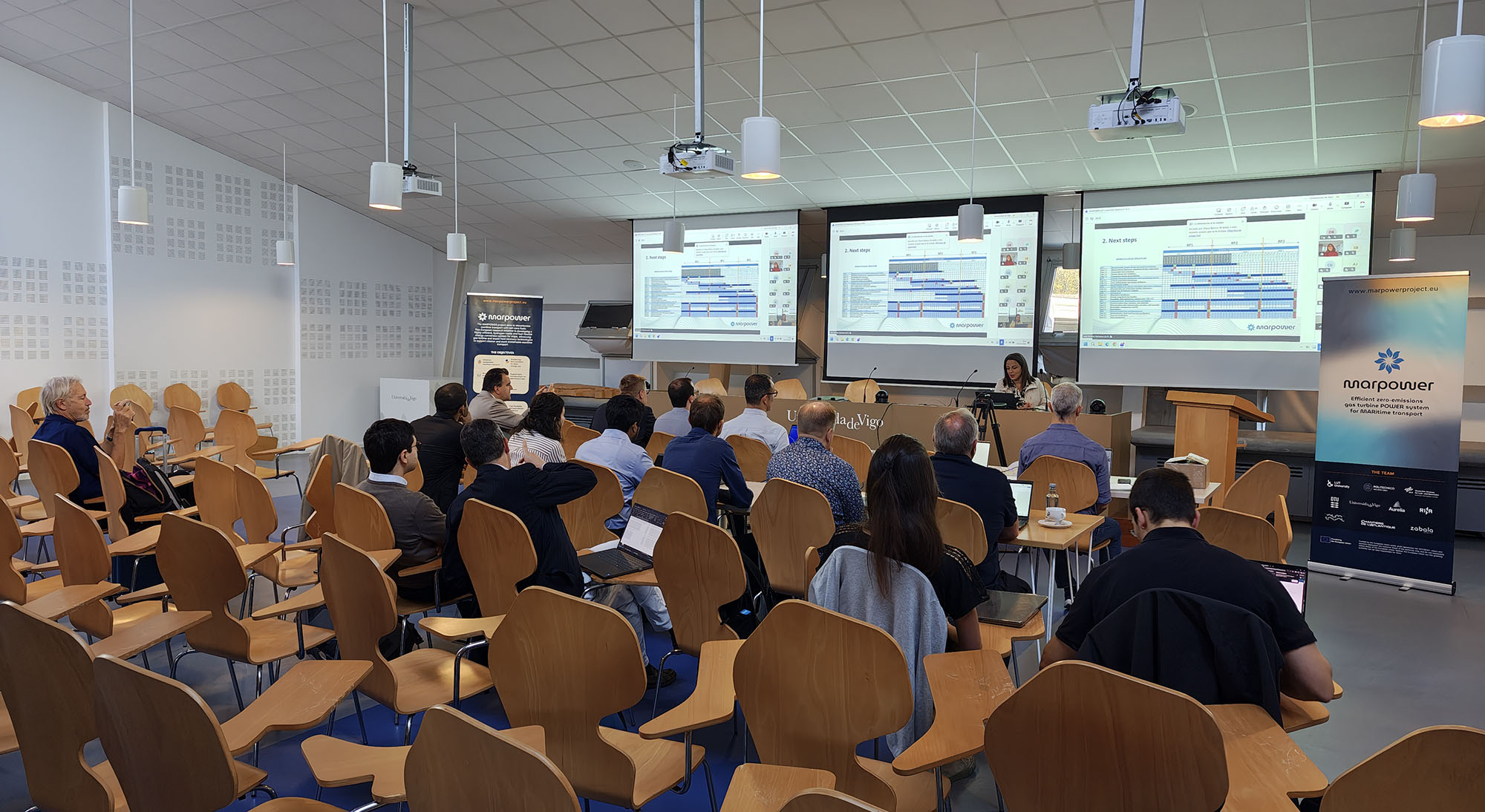
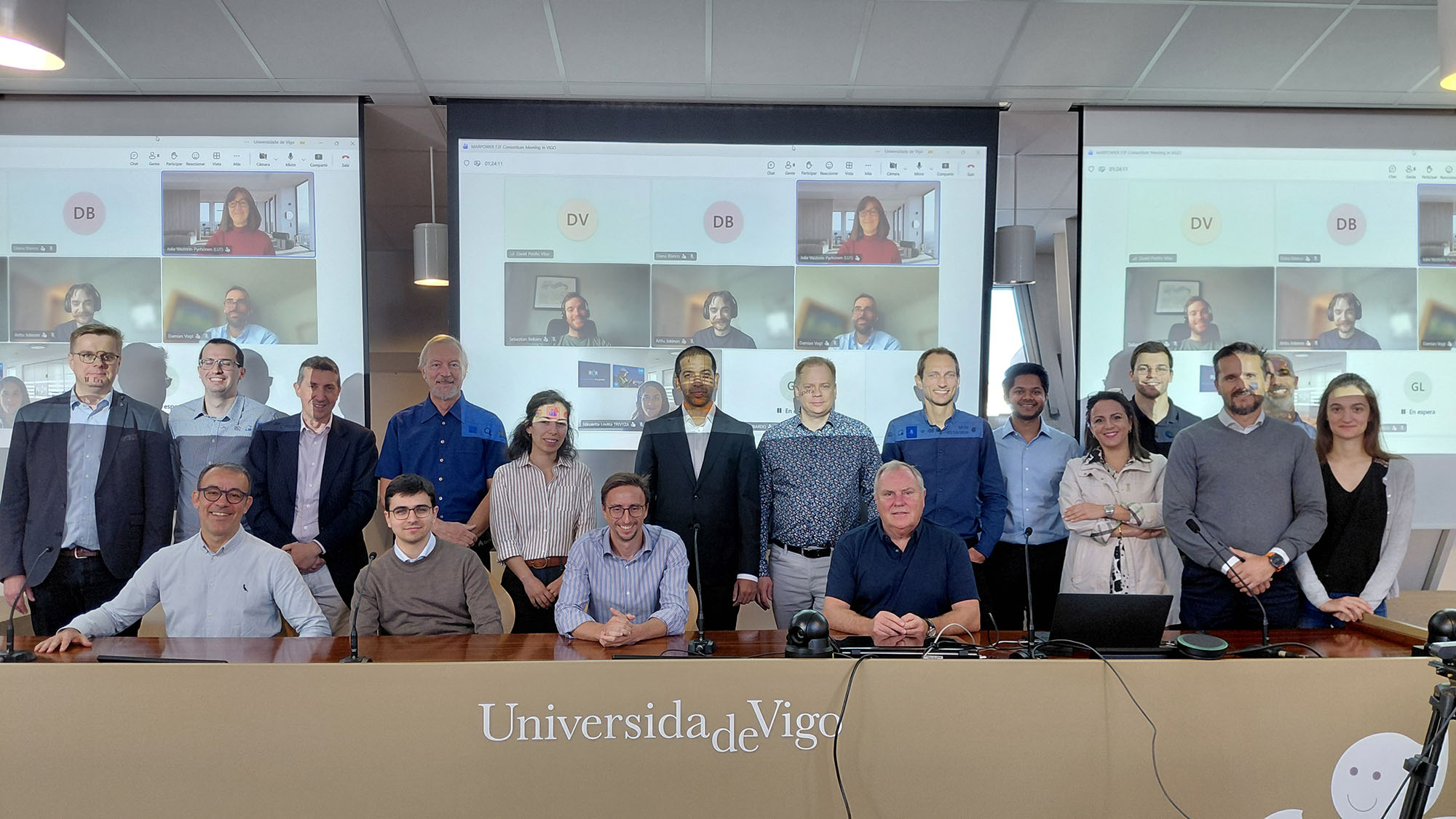
The project recently held its third consortium meeting at the University of Vigo, organised by GTE researchers Jacobo Porteiro and David Patiño. During the meeting, the partners reviewed the progress made in both technological development and the various work packages, and visited the CINTECX facilities.
‘The results of MARPOWER could represent an important step for the shipbuilding industry, by demonstrating the feasibility of hydrogen-based power systems for navigation’, note the project partners. The initiative thus seeks to contribute to the development of technological alternatives to reduce emissions from maritime transport and advance towards more sustainable propulsion and power generation systems.